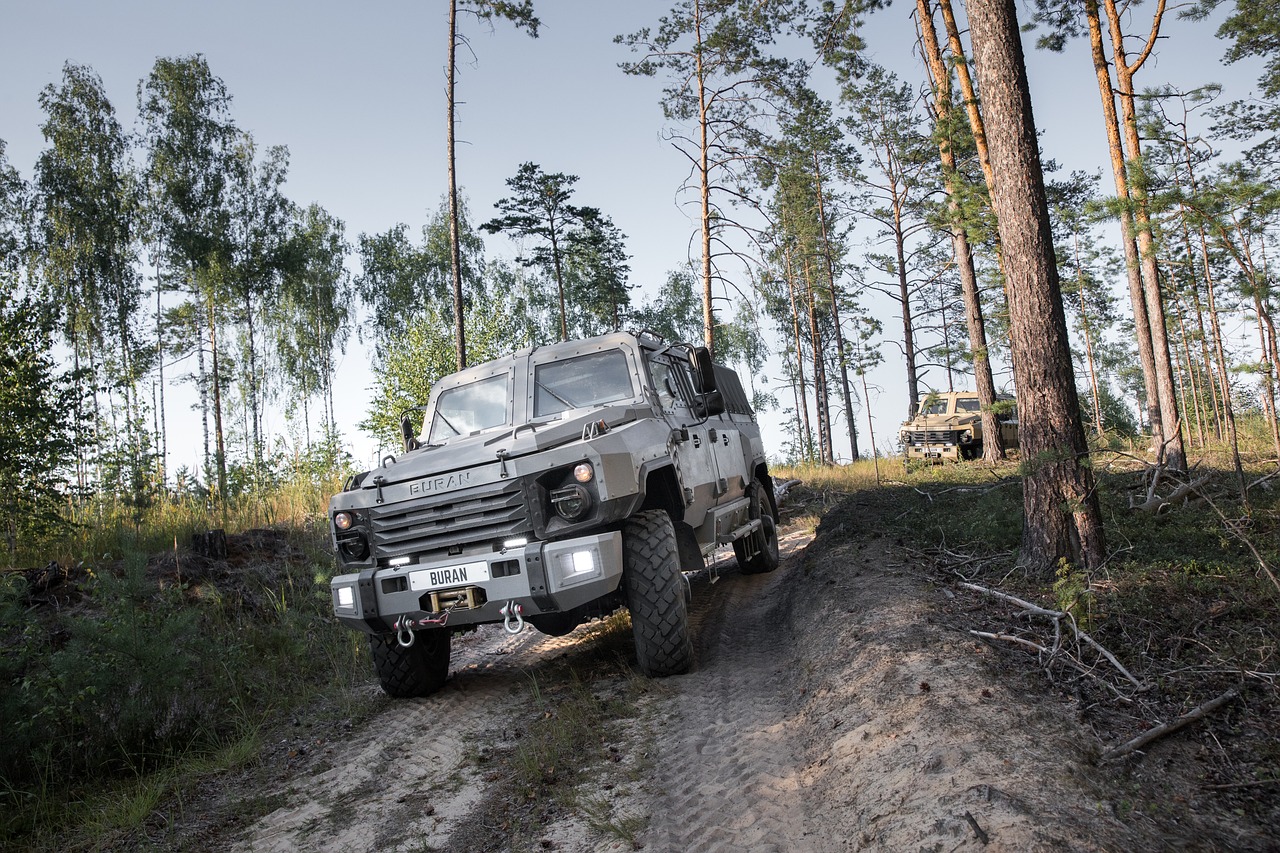
In the rugged and vibrant city of McAllen, Texas, where 4×4 vehicles are a common sight on unpaved roads and off-road trails, truck owners are always looking for ways to protect and enhance their rides. One essential accessory that stands out is the truck bed liner—a crucial addition for any 4×4 in 4×4-McAllen-TX. This article delves into the world of truck bed liners, exploring their benefits, types, installation, and why they’re an indispensable feature for adventurous McAllen locals.
Understanding Truck Bed Liners: A Comprehensive Guide
What are Truck Bed Liners?
Truck bed liners are protective coatings or coverings designed to line the interior of a pickup truck’s bed. They serve multiple purposes, primarily safeguarding the bed from damage caused by cargo, elements, and everyday wear and tear. These liners come in various forms, including hard plastic, rubber, and durable vinyl.
Why are they Essential for 4x4s?
4×4-McAllen-TX vehicles are often subjected to challenging terrain and diverse weather conditions. Here’s how truck bed liners contribute to their overall performance:
-
Protection from Rust and Corrosion: Many 4x4s spend time outdoors, facing rain, snow, and humidity. Bed liners create a barrier between your truck’s metal bed and these elements, preventing rust and corrosion.
-
Resisting Damage from Cargo: Whether you’re transporting heavy equipment or loose gear, bed liners absorb the impact and reduce the risk of dents and scratches on your truck bed. This is especially important for those who frequently haul cargo.
-
Enhanced Aesthetics: Liners come in various colors and designs, allowing you to personalize your 4×4’s interior and match your vehicle’s exterior style. Some even offer textured surfaces for better grip when loading items.
Types of Truck Bed Liners: Which One is Right for You?
The market offers a wide array of truck bed liners, each with unique features. Understanding the options will help you make an informed decision for your 4×4-McAllen-TX.
1. Hard Plastic Liners
- Material: These are made from durable polyethylene or polyethylene terephthalate (PET).
- Pros: Highly impact-resistant, easy to clean, and offer excellent protection against rust. They can be customized with cutouts for specific cargo needs.
- Cons: More expensive than other options, and may require periodic replacement due to cracking over time.
2. Rubber Bed Liners
- Material: Typically made from natural or synthetic rubber.
- Pros: Provide excellent cushioning, absorb shock, and are highly durable. They offer a soft surface for loading and unloading, reducing the risk of damage to fragile items.
- Cons: More expensive than vinyl, and may require maintenance to keep them flexible.
3. Vinyl Bed Liners
- Material: Durable vinyl with UV protection.
- Pros: Affordable, easy to install, and offer good protection against rust. Vinyl is also soft enough to prevent cargo damage.
- Cons: Less impact-resistant than hard plastic or rubber, and may yellow over time due to sun exposure.
Installation Process: DIY or Professional Help?
Installing a truck bed liner can be a straightforward process if you opt for the right tools and follow instructions carefully. Many liners come with installation kits, making it accessible for some enthusiasts to do it themselves (DIY). However, professionals offer several advantages:
- Expertise: Experienced installers ensure precise cutting and fitting of the liner, resulting in a neat finish.
- Warranty Support: Professional installations often come with warranties, ensuring peace of mind if issues arise.
- Time-Saving: It can be time-consuming to do it yourself, especially for complex bed shapes or larger vehicles.
Maintenance and Care: Extending the Lifespan of Your Liner
Proper maintenance is key to keeping your truck bed liner in top condition:
- Regular Cleaning: Use mild detergent and warm water to clean the liner regularly, removing dirt and grime. Avoid harsh chemicals that may damage the material.
- Inspect for Damage: Check for tears, cracks, or holes after each use, especially if you transport heavy loads. Promptly repair or replace damaged liners.
- Store Properly: When not in use, store your liner in a clean, dry place to prevent mold and mildew.
- Protect from Extreme Temperatures: Avoid leaving your truck bed liner exposed to direct sunlight for long periods, as it can cause the material to crack or fade.
Frequently Asked Questions (FAQs)
Q: How do I choose the right bed liner for my 4×4?
A: Consider factors like your budget, vehicle make and model, intended use, and personal preferences. Hard plastic is ideal for heavy-duty protection, while vinyl is more affordable and suitable for lighter use. Always ensure the liner fits your truck’s dimensions perfectly.
Q: Can I install a bed liner myself?
A: Many liners can be installed DIY, but complex installations may require professional help. Ensure you have the right tools and follow manufacturer instructions carefully. Professional installers guarantee a neater finish and potential warranty coverage.
Q: How often should I replace my truck bed liner?
A: The lifespan of your liner depends on material quality and care. Hard plastic and rubber liners may last 10-15 years with proper maintenance, while vinyl could need replacement every 5-8 years. Regular inspection is key to identifying wear and tear.
Q: Do bed liners affect cargo capacity?
A: While some liners add a small amount of weight, they shouldn’t significantly impact your truck’s overall carrying capacity. Ensure the liner fits well to avoid any hindrance when loading or securing cargo.
Conclusion: Enhance Your 4×4-McAllen-TX Experience
Investing in a high-quality truck bed liner for your 4×4-McAllen-TX offers numerous benefits, from protecting your vehicle’s interior to enhancing its overall performance. With various options available, you can choose one that aligns with your needs and budget. Remember, proper installation, maintenance, and care will ensure the longevity of your liner, providing years of reliable service on McAllen’s rugged trails and beyond.